
- April 8, 2026
- Posted by: wellcoindustries
- Categories: Burlap, Erosion Control
When people search for “burlap sack meaning” or “what is a burlap sack”, they usually want a simple definition plus some practical ideas on how to use it. This guide explains exactly what a burlap sack is, how it is made, its common uses and sizes, and where to buy burlap sacks in bulk for projects in the USA.
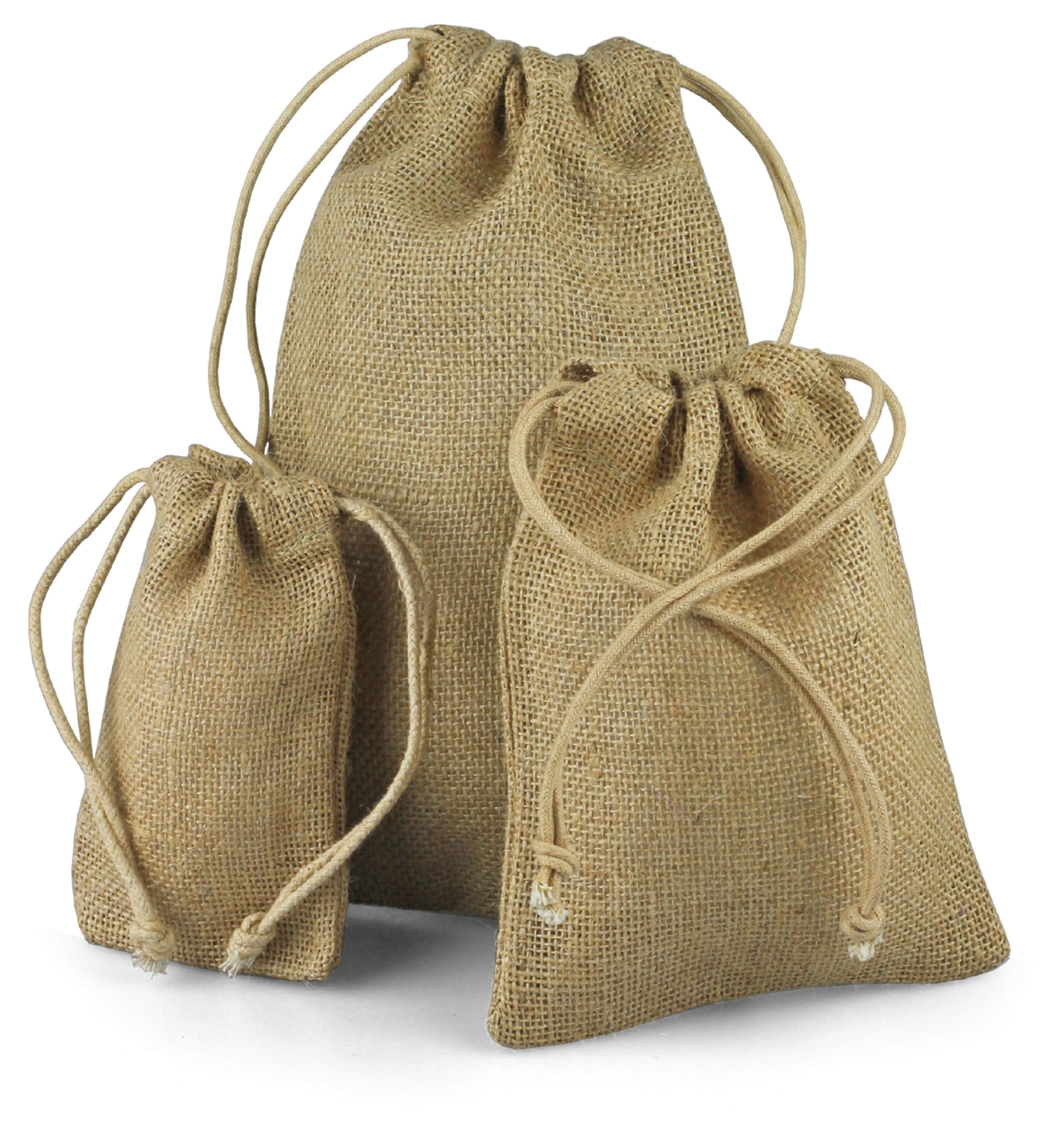
Burlap Sack Meaning & Quick Definition
A burlap sack – also called a hessian sack or jute bag – is a large woven bag made from natural jute fibers. The fabric has a rough, brown, open weave and is strong, breathable and biodegradable. Burlap sacks are traditionally used to store and transport bulk products such as coffee beans, potatoes, grains, sand, landscaping materials and animal feed.
Because burlap is made from plant fiber and contains no plastic, burlap sacks are an eco-friendly packaging and transport option for agriculture, construction, landscaping and erosion control.
How Burlap Sacks Are Made
Most burlap sacks are manufactured from jute, a fast-growing plant cultivated mainly in India and Bangladesh. After harvesting, the jute stems are soaked, stripped and spun into coarse yarns. These yarns are woven into rolls of burlap fabric, which are then cut and sewn into sacks.
- Fiber: 100% jute or jute blends
- Weave: plain open weave that lets air circulate
- Color: natural golden-brown (can be dyed for special uses)
- Seams: stitched with heavy-duty thread for strength
The result is a bag that is tough enough for heavy loads but still flexible and easy to handle.
Main Uses of Burlap Sacks
Burlap sacks are extremely versatile. Below are the most common applications in agriculture, landscaping, construction and everyday life.
Agriculture & Food Storage
- Storing and transporting potatoes, onions, carrots and other root vegetables
- Packing coffee beans, cocoa beans and grains for export
- Holding animal feed, corn and seed on farms
- Short-term storage where breathability and moisture control are important
Landscaping, Gardening & Erosion Control
- Filling with soil, sand or mulch as temporary retaining walls
- Creating erosion-control barriers on slopes and riverbanks
- Protecting tree roots and shrubs during transport
- Using as breathable covers together with burlap wraps for outdoor plants
Construction & Sandbags
- Making sandbags for flood control and emergency barriers
- Holding cement, gravel or aggregate on job sites
- Covering fresh concrete to help with curing and moisture control
Crafts, Décor & Events
- Rustic wedding and party décor such as aisle runners or favor bags
- DIY home projects – pillow covers, storage bags, wall art
- Seasonal decorations such as fall displays or Christmas sack props
Advantages of Burlap Sacks
Compared with plastic and paper bags, burlap sacks offer several important advantages:
- Eco-friendly: made from renewable plant fibers and biodegradable under the right conditions.
- Breathable: open weave allows air circulation, reducing condensation and mold.
- Strong: high tensile strength for heavy or bulky products.
- Reusable: with proper handling, burlap sacks can be emptied, cleaned and used multiple times.
- Natural look: rustic appearance that fits organic and eco-conscious branding.
Common Burlap Sack Sizes & Specifications
Burlap sacks come in many sizes and weights. The best choice depends on what you plan to put inside. Below are typical large sizes used in agriculture, construction and erosion control:
| Approx. Size (W × H) | Typical Use | Notes |
|---|---|---|
| 18″ × 30″ (45 × 76 cm) | Small sandbags, garden waste | Easy to handle, good for lighter loads. |
| 22″ × 36″ (56 × 91 cm) | Potatoes, grains, coffee beans | One of the most common farm sizes. |
| 24″ × 40″ (61 × 102 cm) | Large sandbags, erosion control | Ideal for filling with sand or soil on job sites. |
Heavier-duty sacks are usually made from thicker burlap (more ounces per square yard) and have stronger stitching. When you request a quote, it helps to specify the size, fabric weight and intended use.
How to Handle, Store & Reuse Burlap Sacks
To get the longest life from your burlap sacks:
- Keep the sacks clean and dry when not in use.
- Store in a cool, well-ventilated area away from direct sunlight and ground moisture.
- Shake out remaining soil or product after each use; spot clean if necessary.
- Avoid overfilling – leave enough room to tie or stitch the opening securely.
- Inspect older sacks for damage and retire any bags with torn seams or holes.
At the end of their life cycle, natural jute burlap sacks can often be composted or used as weed-barrier layers in gardens.
Environmental Benefits of Burlap Sacks
Choosing burlap sacks instead of plastic aligns your projects with more sustainable practices:
- Renewable raw material: jute plants grow quickly and require relatively little fertilizer or pesticide.
- Low waste: jute fibers and burlap scraps can be reused in insulation, padding and other industrial products.
- Biodegradability: unlike plastic bags, burlap sacks naturally break down over time in the right conditions.
For farms, municipalities and contractors that need both performance and environmental responsibility, burlap sacks remain a smart choice.
Where to Buy Burlap Sacks in Bulk (USA)
If you are planning a construction project, erosion-control job or agricultural season, buying burlap sacks in bulk is more economical than sourcing them one by one.
At Wellco Industries, we supply a wide range of burlap products for professional users, including:
- Heavy-duty burlap sandbags and sacks for flood and erosion control
- Burlap rolls and blankets for slopes, landscaping and plant protection
- Standard and custom sizes to match your packaging or job-site needs
You can learn more about our product range on the burlap category page or contact our team for a quote and technical recommendations based on your project.
Shop Burlap Products – Factory Direct
MOQ from 500 pcs · Custom sizes available · Factory direct pricing for USA wholesale buyers
Burlap Sack FAQs
What does “burlap sack” mean?
The term “burlap sack” means a large woven bag made from jute fibers. It is used to hold bulk products such as potatoes, coffee beans, grains, sand and landscaping materials. In some regions it is also called a hessian sack or jute bag.
What is a burlap sack used for?
Burlap sacks are used in agriculture for crop and feed storage, in landscaping and construction as sandbags and soil bags, and in events, crafts and home décor for a natural rustic look. Their breathability makes them ideal for products that should not be sealed in plastic.
Are burlap sacks eco-friendly?
Yes. Most burlap sacks are made from natural jute fibers, which are renewable and biodegradable. When handled and disposed of properly, burlap sacks have a much lower environmental impact than plastic bags.
Can burlap sacks be reused?
As long as they are kept relatively clean and dry, burlap sacks can be reused many times. Farmers, contractors and landscapers often empty the sacks, inspect the seams and put them back into service for the next job.
Are burlap sacks waterproof?
No. Burlap is breathable and will allow moisture to pass through. This is helpful for many crops but means burlap sacks should not be used where a waterproof barrier is required. In wet conditions, burlap sandbags will absorb some water but still perform well as barriers.
What is the difference between a burlap sack and a plastic sack?
A burlap sack is made from natural jute fibers, is breathable and biodegradable, and offers a rustic appearance. A plastic sack is made from synthetic material, is not breathable and is typically not biodegradable, but it provides a more effective moisture barrier. The best option depends on your product and environmental goals.