
- December 16, 2025
- Posted by: wellcoindustries
- Category: Rebar
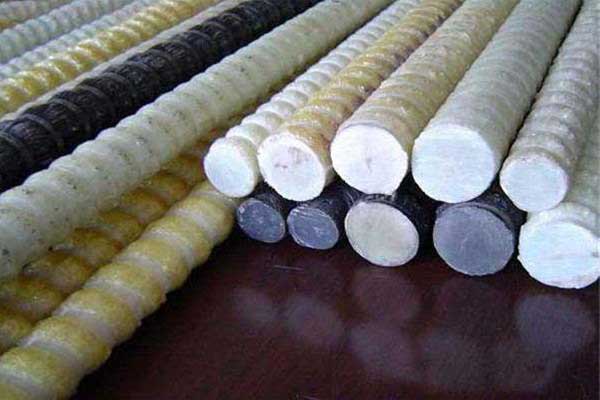
Quick Answer: Fiberglass Rebar vs Steel Rebar
If your project faces corrosion risk (coastal, marine, de-icing salts, wastewater, high-moisture environments) or requires non-conductive / non-magnetic reinforcement, fiberglass rebar (often called GFRP rebar) is usually the better long-term choice. If your structure relies heavily on ductility, established detailing practices, and widely familiar installation workflows, steel rebar remains a strong option.

What Is Fiberglass (GFRP) Rebar?
Fiberglass rebar is a reinforcement bar made from glass fibers embedded in a resin matrix (a composite). Compared with steel, it is typically valued for corrosion resistance, light weight, and electrical insulation.
Steel rebar is the traditional reinforcing bar used in concrete, known for its ductility, broad code familiarity, and widespread availability.
Side-by-Side Comparison
| Factor | Fiberglass (GFRP) Rebar | Steel Rebar |
|---|---|---|
| Corrosion | Does not rust; great for aggressive environments | Can corrode in chlorides/moisture if protection is insufficient |
| Weight & Handling | Much lighter; easier to transport and install | Heavier; more labor and handling effort |
| Electrical / Magnetic | Non-conductive and non-magnetic | Conductive and magnetic |
| Strength Behavior | High tensile performance but different failure behavior (less ductile) | Ductile with yield behavior; well-understood performance |
| Maintenance / Lifecycle | Often lower lifecycle risk in corrosive exposure | May need coatings, higher cover, inhibitors, or repairs over time |
| Cost | Sometimes higher upfront; can win on lifecycle cost in harsh environments | Often lower upfront and widely stocked |
| Best Fit | Marine/coastal, bridges with de-icing salts, seawalls, wastewater, sensitive electrical zones | General building, conventional reinforced concrete where corrosion is manageable |
When Fiberglass Rebar Is the Better Choice
- Marine & coastal concrete: seawalls, docks, waterfront structures, salt spray zones
- Roads & bridges exposed to de-icing salts: reduced corrosion risk in chloride environments
- Wastewater & chemical exposure: where rust-related deterioration is a common headache
- Electrical / MRI / sensitive equipment areas: non-conductive, non-magnetic reinforcement can be a key requirement
- Projects needing easier handling: lighter bars can reduce labor and simplify logistics
When Steel Rebar Makes More Sense
- Conventional reinforced concrete with low corrosion risk and standard detailing
- Projects requiring ductility-focused design behavior and very established installation routines
- Budget-sensitive jobs where upfront cost is the primary driver and exposure is mild
How to Choose: A Simple Decision Checklist
- What’s the environment? (salt, moisture, chemicals, temperature, exposure)
- Is corrosion the #1 failure mode? If yes, seriously consider GFRP.
- Any electrical / magnetic constraints? If yes, GFRP often wins.
- What’s the real cost target? Consider lifecycle risk, not just material price.
- Need help verifying compatibility? Share drawings/specs and we can recommend a suitable option.
Get a Quote for Fiberglass Rebar
Looking for corrosion-resistant reinforcement for your next project? Explore our fiberglass rebar options here:
ECO Fiberglass Rebar (GFRP) – Product Page
If you tell us your application, bar size, and delivery location, we can provide a fast quotation and technical support.
FAQ
No—fiberglass (GFRP) rebar is corrosion-resistant and does not rust like steel.
They behave differently. Steel is known for ductility and yielding behavior; GFRP often focuses on corrosion resistance and tensile performance, but design considerations differ. The best choice depends on the structure and exposure.
Marine/coastal concrete, de-icing salt exposure, wastewater facilities, and environments where corrosion or electrical concerns are critical.