
- June 12, 2026
- Posted by: wellcoindustries
- Categories: Burlap, Erosion Control
When you’re looking to buy burlap bags for plants, you’re taking an essential step toward protecting your garden during harsh weather and enhancing plant health. Burlap bags offer effective insulation and breathability, which makes them perfect for winter gardening. However, despite their simplicity, many gardeners unintentionally make mistakes when selecting and using these bags. To ensure your garden thrives and your investment pays off, here are five common mistakes you should avoid.
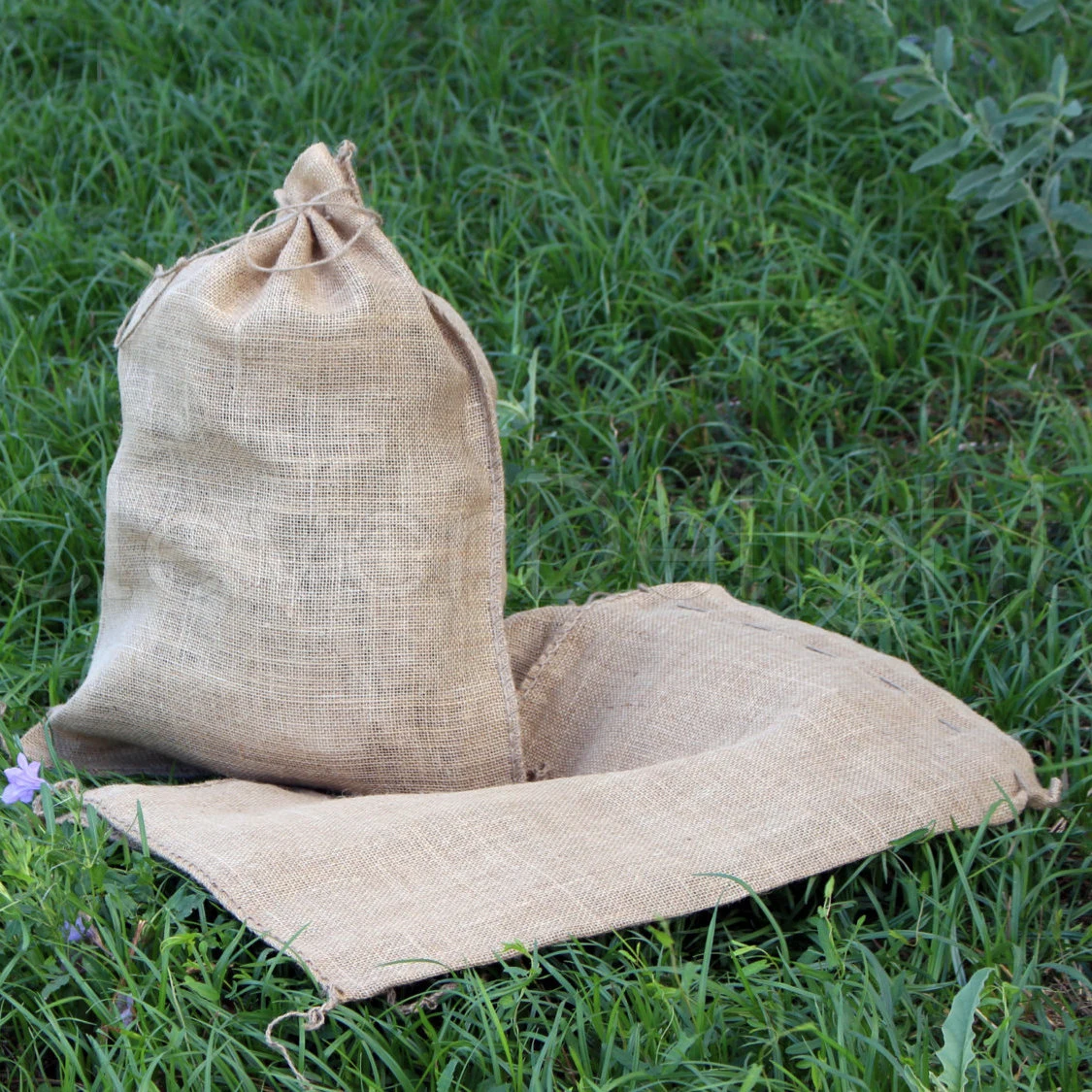
1. Choosing the Wrong Size of Burlap Bags
One of the biggest mistakes gardeners make is choosing incorrectly sized burlap bags. Bags that are too small fail to provide adequate coverage, leaving your plants vulnerable to frost and harsh winds. Conversely, oversized bags can be cumbersome and inefficient.
To choose the right size:
Measure the height and diameter of your plants carefully before purchasing.
Select bags slightly larger than the plants to accommodate growth and ensure proper airflow.
Consult product specifications carefully to ensure optimal fit.
According to garden experts, properly sized burlap bags can reduce winter plant damage by up to 50%.
2. Buying Poor-Quality Burlap
Not all burlap is created equal. Another frequent mistake is opting for lower-quality materials to save a few dollars. Inferior burlap can quickly degrade, tear easily, and fail to offer necessary protection.
When buying burlap bags:
Look for high-quality, natural jute burlap.
Avoid synthetic blends that may not provide adequate insulation or breathability.
Check product reviews or testimonials to confirm durability and effectiveness.
Investing in quality burlap ensures your plants stay protected throughout the winter months, providing reliable results season after season.
3. Overlooking Breathability and Drainage
Gardeners sometimes underestimate the importance of breathability and drainage when buying burlap bags for plants. Poor drainage can lead to moisture buildup, potentially causing root rot or mold issues.
To ensure optimal breathability and drainage:
Choose loosely woven burlap bags to promote airflow.
Avoid overly dense or coated burlap that restricts water and air movement.
Regularly inspect bags after rain or snow to prevent excess moisture accumulation.
Properly breathable burlap reduces moisture-related diseases and significantly improves plant health.
4. Incorrect Application of Burlap Bags
Simply buying the best burlap bags isn’t enough—you must apply them correctly. Misapplication, such as tightly wrapping plants or failing to secure bags properly, can negate burlap’s protective benefits.
To correctly apply burlap bags:
Gently wrap the bag around your plant without compressing branches or foliage excessively.
Secure the burlap with garden twine or rope, leaving room for air circulation.
Regularly check and adjust burlap coverage as weather conditions change throughout the season.
Proper application techniques greatly enhance burlap’s protective qualities, ensuring healthier plants come springtime.
5. Waiting Too Long to Buy or Apply Burlap Bags
Timing matters. Waiting until the weather turns severely cold or until plants show damage is a common, yet costly, mistake. By this point, plants may already have suffered irreparable harm.
To avoid timing errors:
Plan ahead and buy your burlap bags early in the fall season.
Apply the burlap before the first frost or freeze warning in your region.
Stay proactive by regularly monitoring local weather forecasts.
Early preparation can significantly boost your plants’ resilience and reduce the stress of last-minute garden protection.
Final Thoughts
Buying burlap bags for plants is a smart gardening practice, especially in colder climates. By avoiding these five common mistakes—selecting the wrong size, compromising on quality, ignoring breathability and drainage, incorrect application, and procrastination—you’ll maximize the benefits burlap bags provide. Keep your plants safe, healthy, and thriving through the winter, and enjoy a vibrant garden come springtime.
Did you find these tips helpful? Let us know your experiences with burlap bags in the comments below, and don’t forget to share this article with fellow gardening enthusiasts!
FAQ About Burlap Bags for Plants
1. What are burlap bags used for in gardening?
Burlap bags are commonly used to protect plants from frost, cold wind, sun exposure, and moisture loss. Gardeners also use them to cover shrubs, young trees, potted plants, and delicate garden crops during harsh weather.
2. Are burlap bags good for protecting plants in winter?
Yes, burlap bags are a practical choice for winter plant protection. Their breathable fabric helps shield plants from freezing wind and frost while still allowing air circulation, which helps reduce moisture buildup around the plant.
3. What size burlap bag should I choose for my plants?
Choose a burlap bag that is slightly larger than the plant you want to cover. Measure the plant’s height and width before buying. A good fit should cover the plant fully without pressing tightly against branches, leaves, or stems.
4. Can burlap bags damage plants?
Burlap bags are generally safe for plants when used correctly. Damage can happen if the bag is wrapped too tightly, left wet for too long, or used without enough airflow. Secure the burlap loosely and check it regularly after rain, snow, or strong wind.
5. Should burlap touch the plant directly?
For small shrubs or potted plants, burlap can lightly cover the plant. For delicate plants, it is better to use stakes or a simple frame so the burlap forms a protective barrier around the plant without weighing down the branches.
6. When should I put burlap bags on plants?
The best time to apply burlap bags is before the first frost or before severe winter weather arrives. In colder regions, many gardeners prepare burlap covers in early fall so plants are protected before sudden temperature drops.
7. Can burlap bags be reused?
Yes, high-quality burlap bags can often be reused for multiple seasons. After use, shake off dirt, let the bags dry completely, fold them neatly, and store them in a dry place away from moisture, pests, and direct sunlight.
8. Are natural jute burlap bags better than synthetic options?
Natural jute burlap is often preferred for gardening because it is breathable, flexible, and suitable for plant protection. Synthetic or coated materials may block airflow and hold moisture, which can create problems for sensitive plants.
9. Can burlap bags be used for potted plants?
Yes, burlap bags work well for potted plants. They can help insulate pots, protect roots from cold temperatures, and reduce exposure to harsh wind. For best results, wrap both the pot and the plant loosely, leaving enough space for air circulation.
10. Where can I buy burlap bags for plants?
You can buy burlap bags for plants from garden supply stores, agricultural suppliers, home improvement stores, and online garden product suppliers. For bulk orders, choose a supplier that offers size options, durable natural jute material, and reliable shipping.