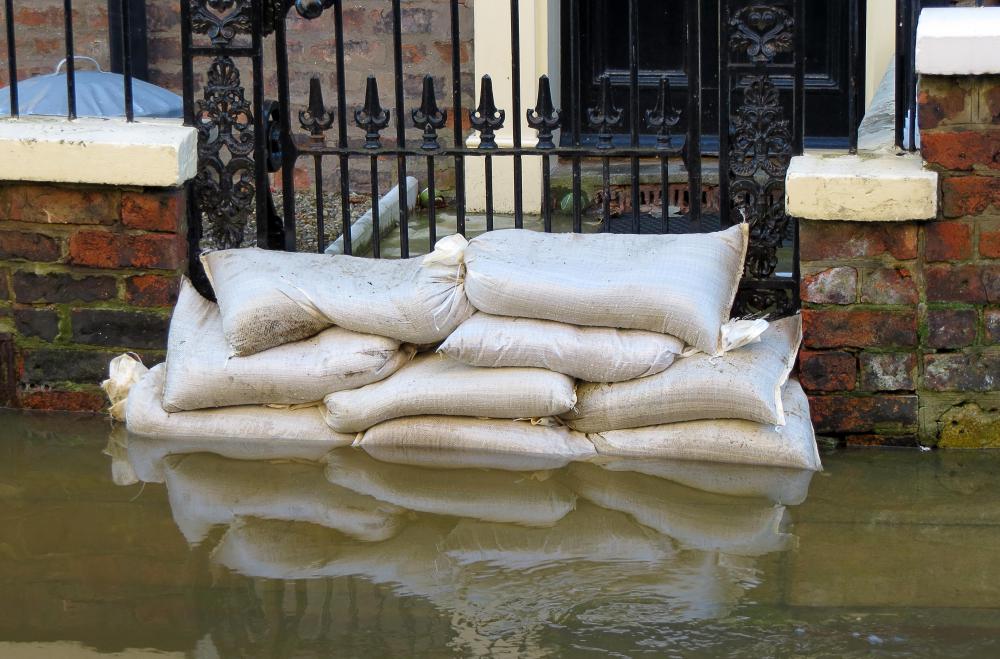
Industrial Sandbags – Oilfield, Construction & Flood Control, Factory Direct Supply
Sandbags stand as a reliable and adaptable solution for a multitude of challenges, from flood prevention to construction site stabilization. Their affordability, ease of use, and effectiveness make them an invaluable tool in emergency response and long-term projects alike. Explore the diverse applications of sandbags and harness their strength for stability and protection in your endeavors.
Industrial Sandbag Specifications
| Parameter | Standard Grade | Industrial / Oilfield Grade |
|---|---|---|
| Material | Woven polypropylene (PP) | Heavy-duty woven PP + UV stabilizer |
| Weight capacity | 30–50 lb | 50–80 lb |
| UV resistance | 500–800 hrs | 2,000+ hrs (ASTM G154) |
| Chemical resistance | Water only | Crude oil, produced water, drilling fluid |
| Seam burst strength | 150–200 lb | 250–400 lb |
| Common sizes | 14″×26″, 18″×30″ | Custom to project spec |
| MOQ | 500 pcs | 500 pcs; bulk pricing at 5,000+ |
| OEM / custom print | Available | Available |
Industrial Sandbags – Applications & Use Cases
Industrial sandbags differ from standard construction-grade bags in three
critical ways: UV stabilization rating, chemical resistance, and seam burst
strength. For procurement managers sourcing sandbags for heavy industrial
environments, these are the specifications that determine whether a bag
performs for weeks or for months.
Oilfield & Oil and Gas Applications
- Secondary containment berms around storage tanks,
separators, and wellheads — requires chemical-resistant, high-burst-strength bags - Pipeline spill response — rapid deployment bags rated
for hydrocarbon contact and lateral fluid pressure - Wellpad access road stabilization — load-bearing bags
for soft ground near rig sites
General Industrial Applications
- Flood and erosion control at industrial facilities
- Temporary site drainage diversion
- Equipment ballast and anchoring on construction sites
- Stormwater management at manufacturing facilities
Industrial vs Standard Sandbags – Which Do You Need?
| Application | Recommended Grade | Key Requirement |
|---|---|---|
| Oilfield secondary containment | Industrial / Oilfield grade | Chemical resistance + high seam strength |
| Pipeline spill response | Industrial / Oilfield grade | Hydrocarbon resistance + fast deployment |
| Construction site flood barrier | Standard grade | Water resistance, seasonal use |
| Manufacturing facility drainage | Industrial grade | UV stability for outdoor long-term deployment |
| Temporary ballast / anchoring | Standard grade | Fill weight capacity |
Advantages of Sandbags
Weight and Stability
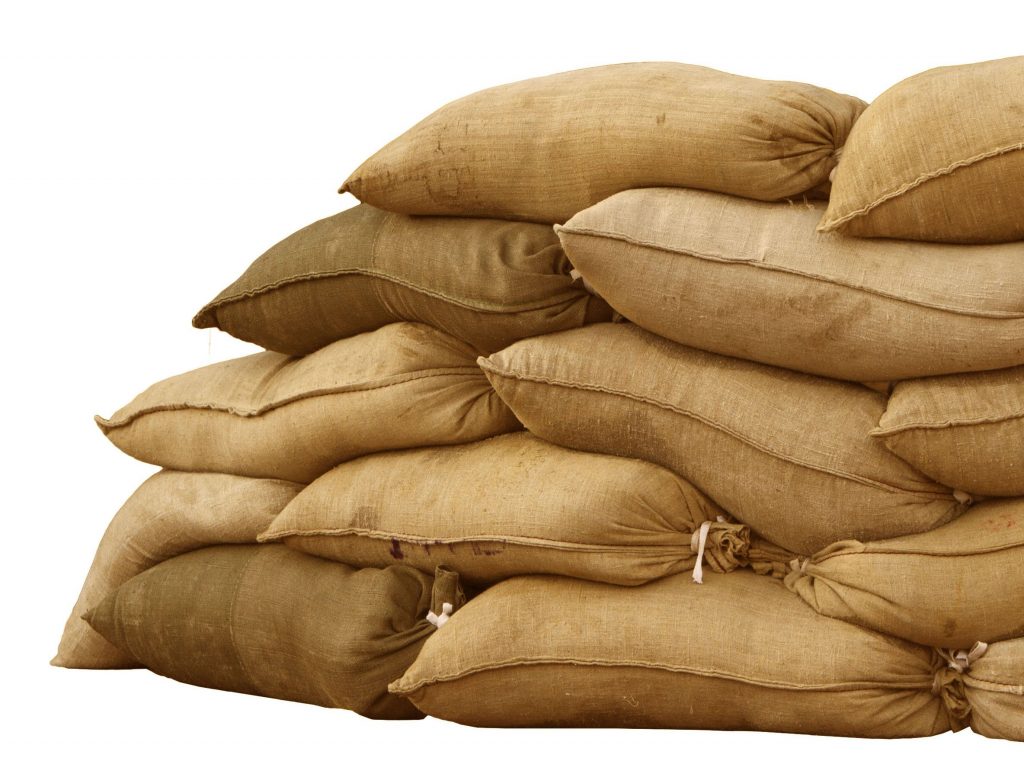
Heavyweight Support: Filled with sand, these bags offer substantial weight, ensuring stability and anchoring in a variety of settings, from construction sites to flood-prone areas.
Flexible Placement
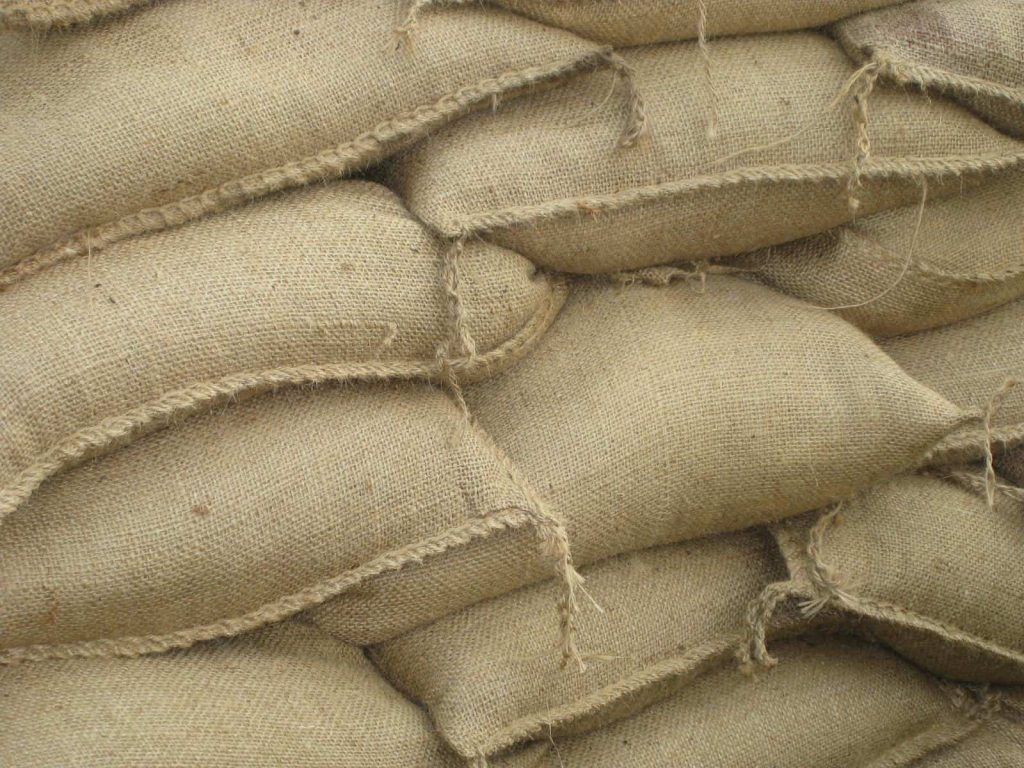
The malleability of sandbags allows them to conform to different shapes and structures, providing stability in diverse terrains.
Versatility
Adaptable to Environment: Sandbags are remarkably versatile, suitable for use in both urban and natural environments. Their adaptability makes them an essential resource for various applications.
Cost-Effectiveness
Affordable Protection: Compared to some permanent solutions, sandbags are a cost-effective choice. They provide temporary yet robust protection without the need for significant financial investment.
Easy Deployment
Quick and Simple Setup: The ease of use and quick deployment of sandbags make them a practical solution in emergency situations, requiring minimal training for effective implementation.
Practical Applications
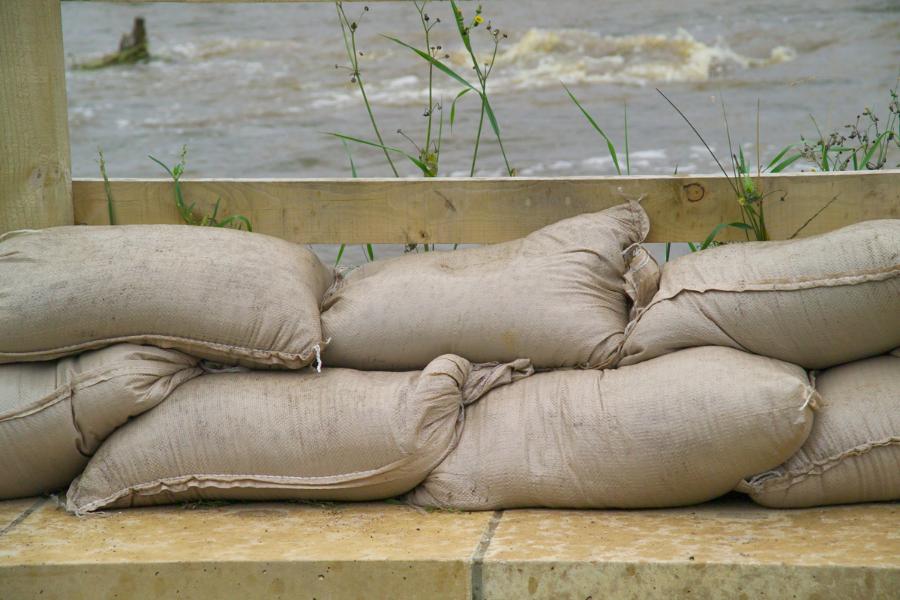
Flood Control and Prevention
Building Barriers: Sandbags are commonly used to create barriers against rising floodwaters, protecting homes, infrastructure, and communities from the destructive impact of flooding.
Erosion Control
Stabilizing Banks and Slopes: Placing sandbags strategically helps prevent soil erosion on riverbanks, slopes, and construction sites, providing temporary stabilization until permanent measures can be implemented.
Construction and Infrastructure Projects
Foundation Support: Sandbags serve as a temporary foundation support in construction projects, providing stability for structures and preventing soil displacement.
Ballast for Tents and Signage
Stabilizing Temporary Structures: Sandbags act as effective ballast for securing tents, signage, and temporary structures at events, ensuring they remain stable in variable weather conditions.