
Geogrid vs Geotextile: What’s the Difference and Which One Do You Need?
Geogrid and geotextile are both widely used in construction, soil stabilization, and erosion control projects, but they are not the same material and they do not solve the same problem. In simple terms, geogrid is mainly used for reinforcement and load distribution, while geotextile is mainly used for separation, filtration, drainage, and erosion control. In many retaining wall, roadway, and slope protection projects, they may be used together rather than as substitutes.
Geogrid vs Geotextile at a Glance
| Feature | Geogrid | Geotextile Mesh |
|---|---|---|
| Main Function | Reinforcement and load distribution | Separation, filtration, drainage, and erosion control |
| Structure | Open grid structure | Woven, nonwoven, or 3D mesh fabric structure |
| Best For | Retaining walls, road base reinforcement, embankments, soft soil stabilization | Drainage systems, underlayment, slope protection, filtration, and erosion control |
| Water Flow | Open structure, not designed for filtration | Designed to allow water movement while controlling soil migration |
| Typical Project Type | Structural support under load | Soil-water management and surface protection |
| Can They Be Used Together? | Yes | Yes |
GEOGRID
The Geogrid stands as a pinnacle in engineered solutions.
What Is Geogrid Used For?
Geogrid is designed to improve soil strength and structural stability. It is commonly used in projects where reinforcement is required, especially when the ground must support heavy loads or resist movement over time.
Common applications of geogrid:
Retaining wall reinforcement
Road base stabilization
Embankments and slopes
Soft soil reinforcement
Load distribution under pavements and heavy traffic areas
For retaining wall systems, geogrid helps improve wall performance by increasing the stability of the backfill zone. For road construction, it helps reduce rutting and improve subgrade performance under repeated traffic loads.
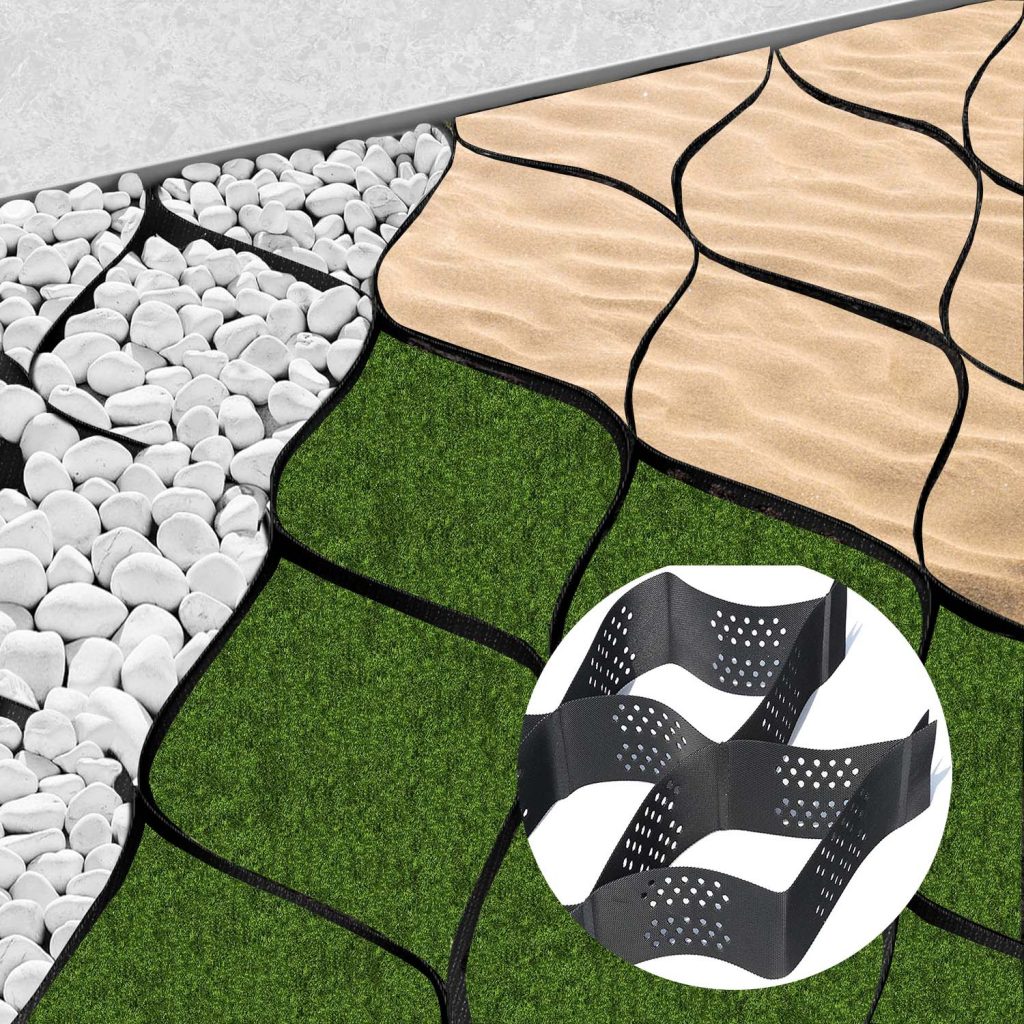
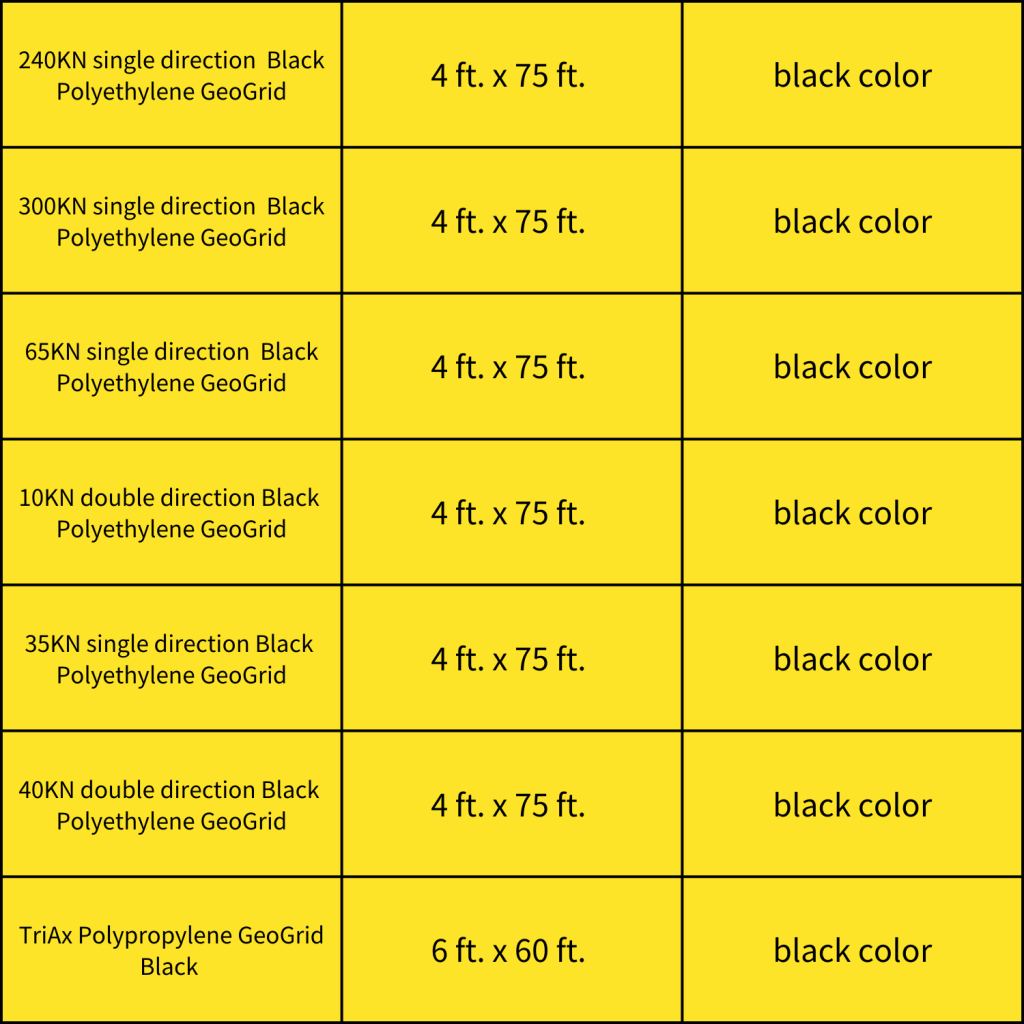
The Geogrid dedicated to delivering essential structural stability and reinforcement for both residential and commercial applications.This innovative product is specifically designed to enhance the construction of retaining walls when used in conjunction with various block or wall facades and gravel fill.
- Structural Stability: The Geogrid is engineered to provide unparalleled structural stability, ensuring that your retaining walls are not only robust but also capable of withstanding the test of time.
- Versatility in Construction: Compatible with any type of block or wall facade, this geogrid seamlessly integrates into your construction project, offering flexibility and adaptability to diverse design preferences and requirements.
- Lightweight and Rigid: Experience the convenience of easy handling. The Uniaxial Retaining Wall Geogrid is not only lighter but also more rigid compared to fabric alternatives, making the installation process efficient and hassle-free.
- Quick and Easy Installation: Time is of the essence, and our geogrid understands that. With a user-friendly design and installation process, you can have your retaining walls up and standing in no time, saving both time and resources.
- UV Resistance: The Geogrid is crafted to be 100% UV resistant, ensuring that it maintains its structural integrity and appearance even when exposed to the harshest sunlight.
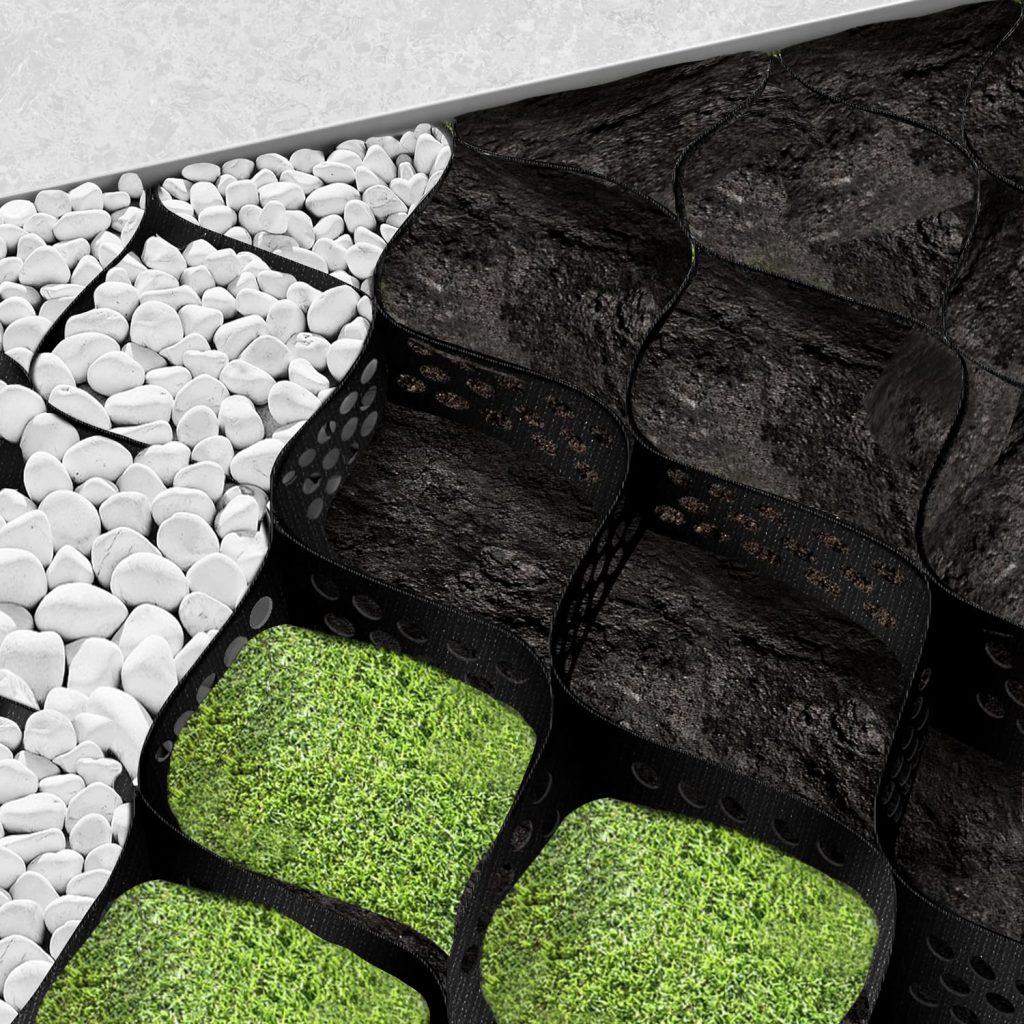
Geotextile mesh
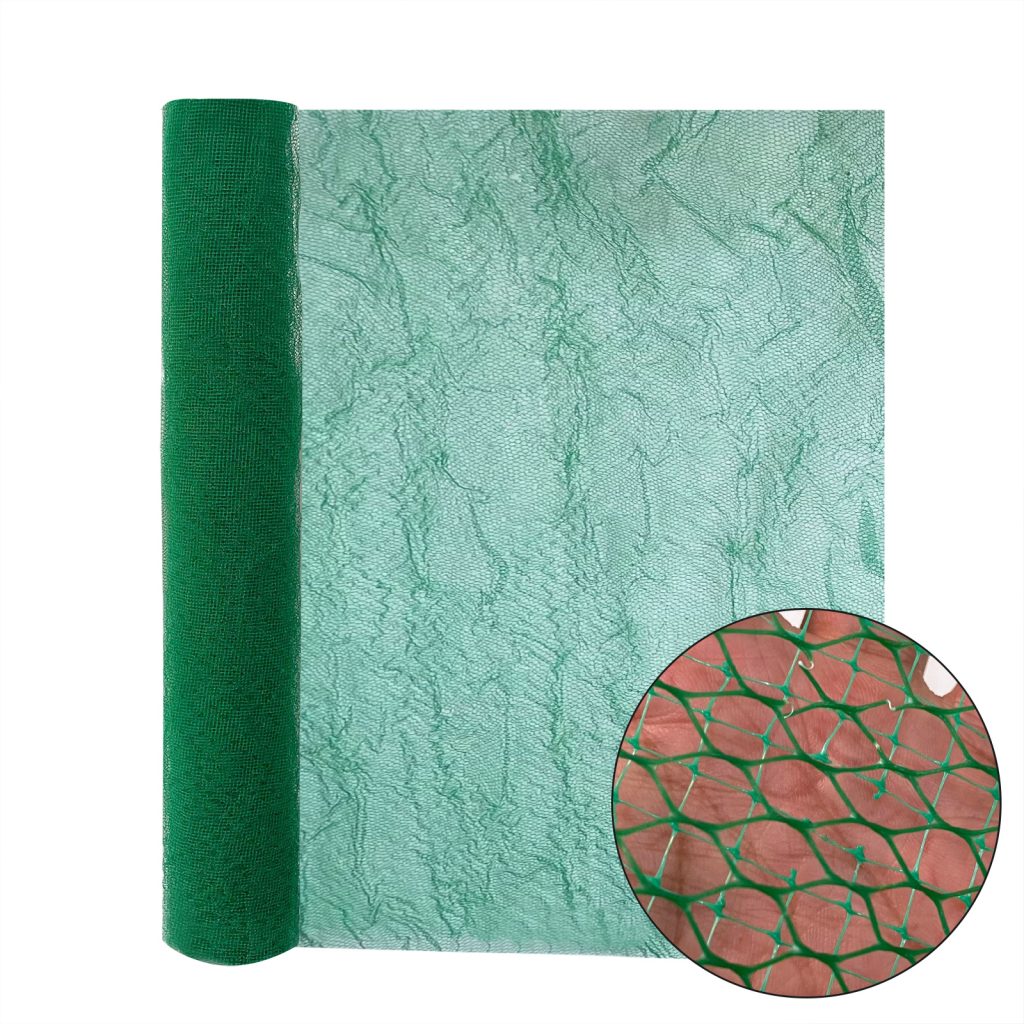
The 3D geotextile mesh is a new type of grass protection material for soil and water conservation, which can effectively prevent soil erosion, increase the greening area and improve the ecological environment.
What Is Geotextile Mesh Used For?
Geotextile mesh is typically used when the project requires separation, filtration, drainage, or erosion control. It helps keep soil layers stable while allowing water to pass through, which makes it useful in drainage and landscape applications.
Common applications of geotextile mesh:
French drains
Driveway underlayment
Retaining wall drainage layers
Erosion control on slopes
Soil separation under gravel or aggregate
Walk paths and landscape construction
Geotextile mesh is often selected when water management is important. It can help prevent the mixing of soil and aggregate, improve drainage performance, and reduce erosion in exposed areas.
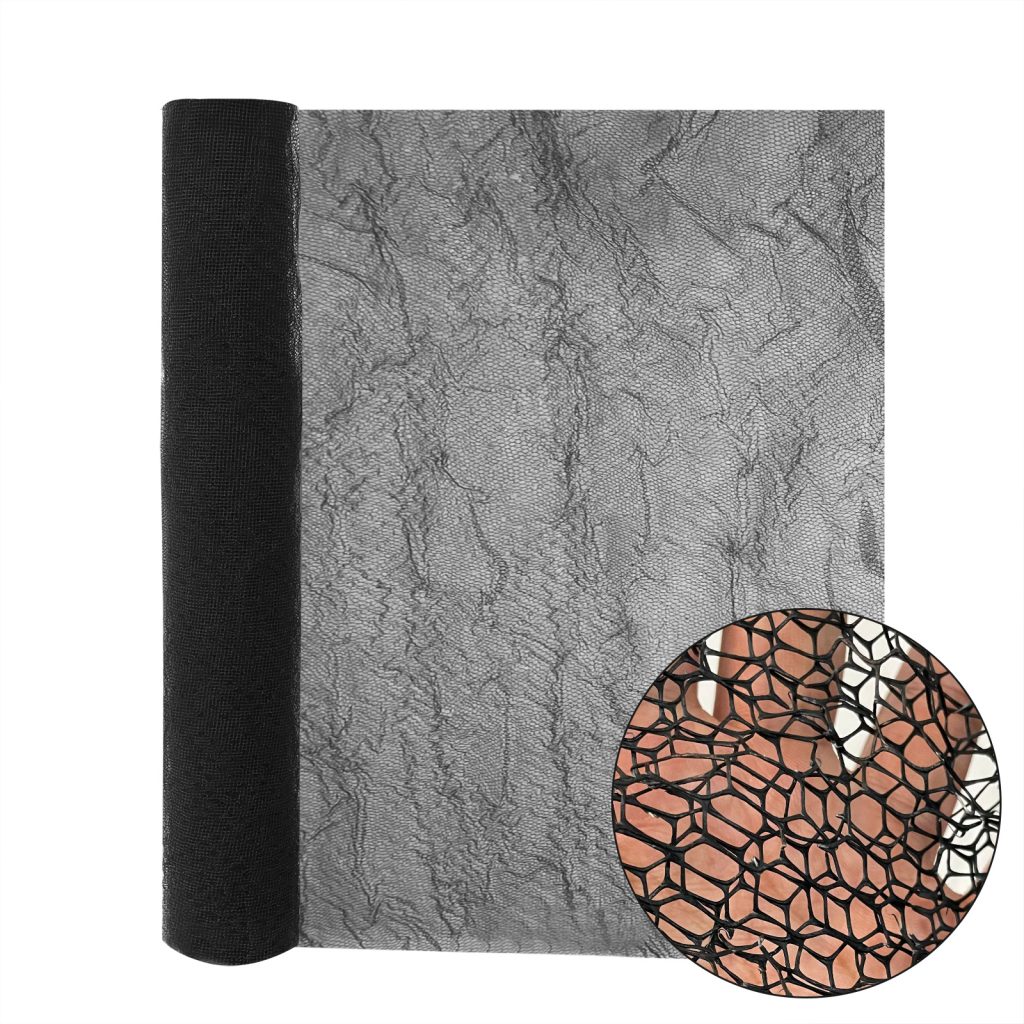
In the turf did not grow before, can protect the surface of the ground from the erosion of wind and rain, at the same time in the sowing of the early stage of stabilization of grass seed; plant growth up to come from the plant roots, stems, leaves rot grass system and the net body composed of a composite protective layer can be subjected to high water levels, large flow rate of rainfall scouring; can be a replacement for the concrete, rhombus blocks, masonry, and other slope protection materials, is mainly used for highway, fell road, river, dams, slopes, and other slope protection.
- Exclusive Permeability & Soil-Friendly:
This is no ordinary landscape fabric – it’s a specialized solution for major construction erosion control. Perfect for use under concrete or pavement, our geotextile mesh allows for efficient drainage, making it ideal for applications such as retainer walls and walk paths. However, its primary purpose is to handle heavy loads and high traffic, setting it apart from standard weed-stop fabrics. - Widely Usage for Diverse Projects:
Geotextile Mesh is your versatile ally for various construction needs. Whether you’re dealing with drainage, separation, or filtration, this mesh excels in applications such as French drains, erosion control, driveway underlayment and retaining walls. Its adaptability makes it an indispensable tool for a wide range of construction projects. - Easy Installation and Setup:
It’s lightweight, easy to carry, and a breeze to install or cut into precise dimensions. Simply roll it down and place it in the desired area – a hassle-free process that saves you time and effort. - Made to Last:
Invest in longevity with our Geotextile Mesh. The key is to avoid direct sunlight. If used as ground cover or a weed barrier, ensure it’s buried with 1/4 foot of mulch or gravel, providing protection against the elements and ensuring enduring performance.
Geogrid vs Geotextile for Retaining Walls
Both materials may be used in retaining wall construction, but they perform different roles.
Geogrid is used to reinforce the soil mass behind the wall and increase structural stability.
Geotextile is used to support drainage, filtration, and separation behind or beneath the wall system.
If your project requires structural reinforcement, geogrid is the key material. If your project requires drainage control or separation between soil layers, geotextile is usually the better choice. In many wall systems, both materials are used together for best performance.
Geogrid vs Geotextile for Road Stabilization
For road stabilization and pavement support, geogrid is typically used to reinforce weak subgrades and improve load distribution. Geotextile is often used below or alongside aggregate layers to provide separation and drainage.
A simple rule:
Choose geogrid when you need reinforcement under load
Choose geotextile when you need separation, filtration, or drainage
Use both together when the project requires both reinforcement and moisture control
Typical Specifications to Compare
When choosing geogrid or geotextile mesh, buyers should compare the following specifications based on project conditions:
| Specification | What to Check |
|---|---|
| Tensile Strength | Required reinforcement level for the application |
| Material Type | Polymer composition and durability |
| Aperture or Fabric Structure | Open grid vs woven/nonwoven/3D mesh |
| UV Resistance | Important for exposed storage or installation conditions |
| Permeability | Critical for drainage and filtration applications |
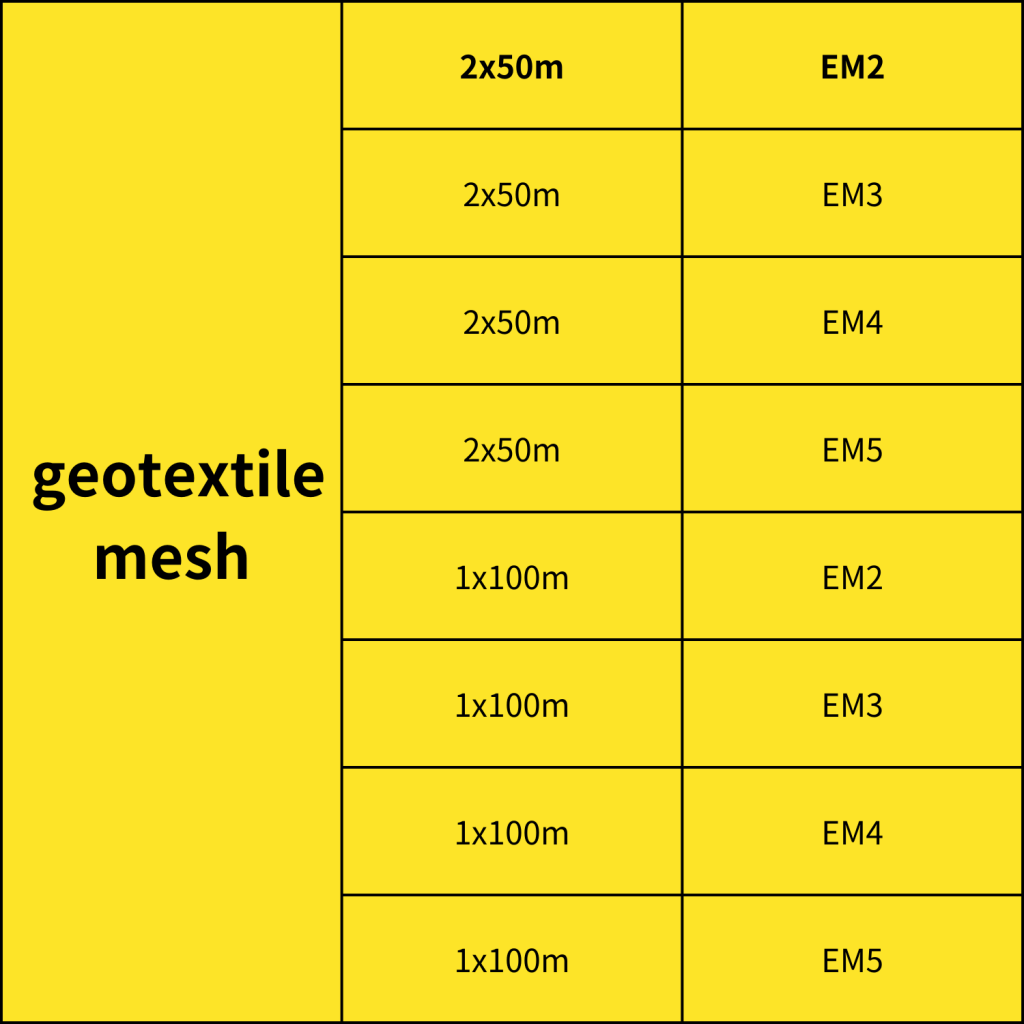
| Roll Width and Length | Based on project coverage and installation efficiency |
| Application Type | Retaining wall, road base, drainage, slope protection, erosion control |
If you are selecting material for a North America project, it is helpful to provide the application, soil condition, load requirement, and preferred roll size when requesting a quote.
How to Choose the Right Material
Choose geogrid if your project is mainly about structural reinforcement. Choose geotextile if your project is mainly about separation, filtration, drainage, or erosion control. If the project involves both traffic load and water management, using both materials together may be the most effective solution.
Quick selection guide:
Retaining wall reinforcement → Geogrid
French drain or filtration layer → Geotextile
Driveway underlayment → Geotextile or geotextile + geogrid depending on load
Road base on weak soil → Geogrid, often combined with geotextile
Slope erosion control → Geotextile mesh / erosion control mesh
Geogrid is mainly used for reinforcement and load distribution, while geotextile is mainly used for separation, filtration, drainage, and erosion control.
Geogrid is typically used for reinforcement behind the wall. Geotextile is commonly used for drainage and soil separation. Many retaining wall systems use both materials together.
Yes. In many construction projects, geogrid and geotextile are used together because they solve different engineering problems.
Geotextile mesh is used for drainage, filtration, separation, erosion control, driveway underlayment, and slope protection.
Geogrid is used to improve load distribution, stabilize weak soil, and increase the performance of the road base under traffic loads.
Request Geogrid or Geotextile Specs and Quote
Looking for geogrid or geotextile mesh for retaining walls, road stabilization, drainage, or erosion control? Contact us for product specifications, roll sizes, application support, and factory pricing for North America projects.
To get a faster quote, please include:
Project application
Material type needed
Roll width and length
Required tensile strength or performance target
Estimated order quantity
Delivery location